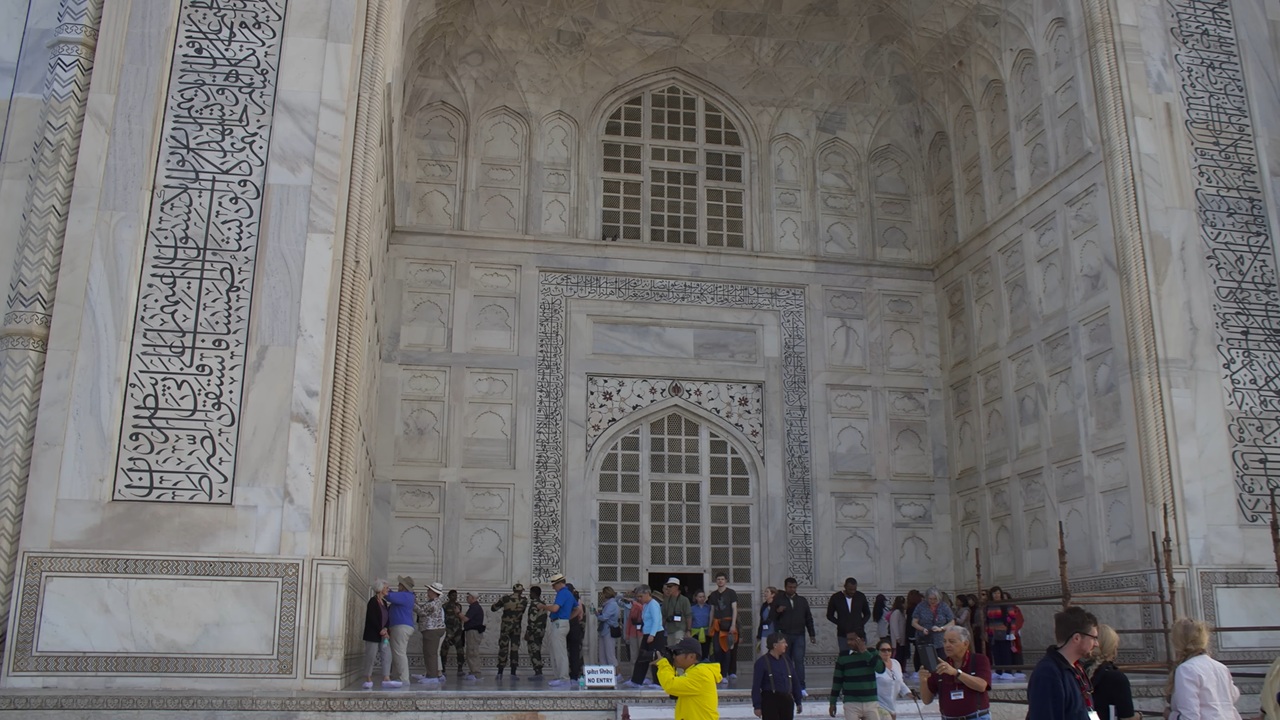
Timeless Beauty: Taj Mahal Experience
Agra, UP (India)
0/5
0% ゲストのおすすめ
期間
5 Hours
ツアーの種類
City trips
グループサイズ
17 persons
ロケーション
Agra
概要
Romantic Legacy
Symbol of Love: Built in 1632 by Emperor Shah Jahan in memory of his wife, Mumtaz Mahal, embodying eternal love and devotion.
HIGHLIGHTS
- Architectural Marvel: Stunning symmetry and intricate details.
- Pietra Dura Work: Floral inlay with semi-precious stones.
- Changing Colors: Shifts hues with the time of day and moonlight.
- Yamuna Backdrop: Picturesque setting by the river.
- Main Mausoleum: Final resting place of Mumtaz Mahal and Shah Jahan.
- Calligraphy: Quranic inscriptions in black onyx.
- Charbagh Garden: Mughal garden symbolizing paradise.
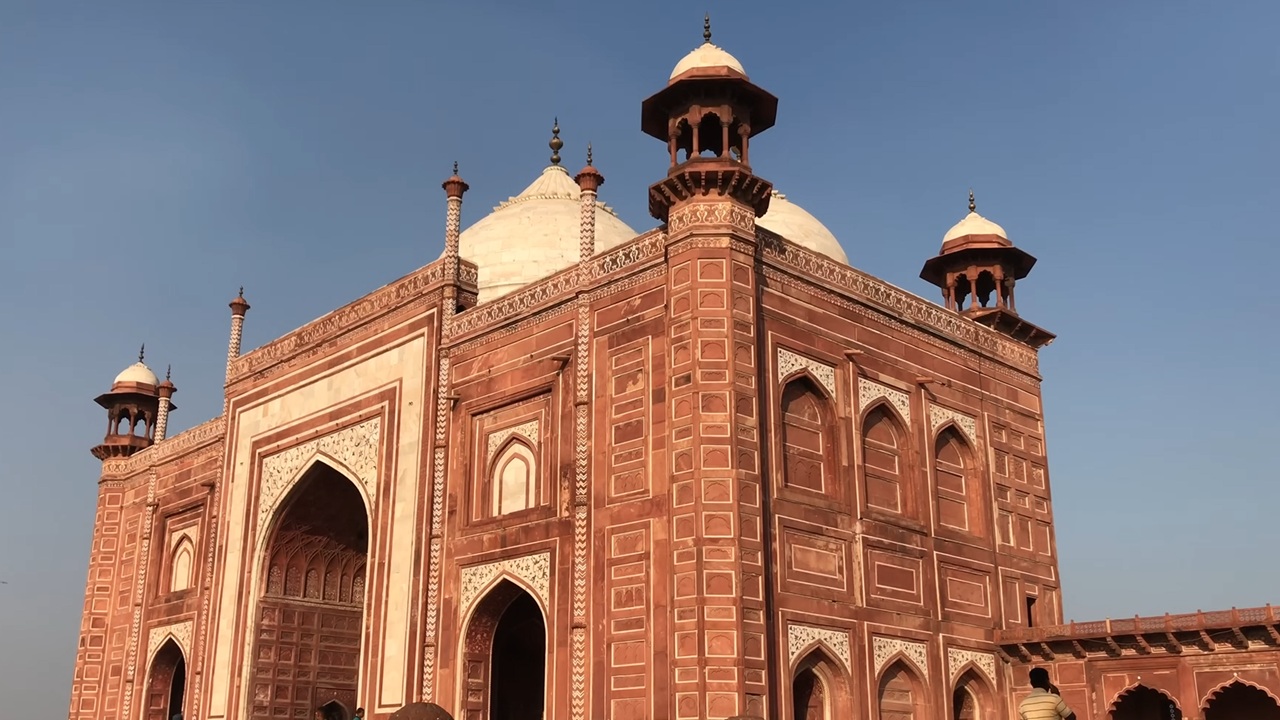
- Grand Gateway: Majestic red sandstone entrance.
- Reflection Pools: Mirror-like pools enhancing the view.
- Timeless Symbol: A UNESCO World Heritage Site and global icon of love.
Included/Excluded
Specialized bilingual guide
Private Transport
Entrance fees (Cable and car and Moon Valley)
Box lunch water, banana apple and chocolate
Additional Services
Insurance
Drink
Tickets
Itinerary
Agra Fort
Agra Fort
Agra Fort, a massive red sandstone fortress that was the main residence of the Mughal emperors. Explore its palaces like the Sheesh Mahal (Mirror Palace) and grand courtyards, and enjoy a view of the Taj Mahal from across the Yamuna River.
Tomb of Itimad-ud-Daulah
Tomb of Itimad-ud-Daulah
Visit the exquisite Tomb of Itimad-ud-Daulah, often referred to as the "Baby Taj" because its intricate marble inlay work is a precursor to the Taj Mahal.
Buland Darwaza
Buland Darwaza
Buland darwaza is a majestic red sandstone gateway in Fatehpur Sikri, built by Emperor Akbar to commemorate his victory over Gujarat. Standing about 54 meters high, it is one of the tallest and grandest gateways in the world, symbolizing Mughal power and architectural brilliance.
Jodha Bai Palace
Jodha Bai Palace
Jodha bai palace is the largest residential palace in Fatehpur Sikri, built by Emperor Akbar for his Rajput queen. It beautifully blends Hindu and Mughal architectural styles, with spacious courtyards, carved pillars, and red sandstone elegance.
Tomb of Salim Chishti
Tomb of Salim Chishti
Tomb of Salim Chishti is a beautiful white marble mausoleum in Fatehpur Sikri, built in honor of the Sufi saint Salim Chishti. It is known for its delicate lattice screens and is considered a sacred place where devotees come to seek blessings.
Akbar's Tomb
Akbar's Tomb
Akbar's Tomb is the grand mausoleum of Emperor Akbar located in Sikandra, Agra. Set within a large garden complex, it beautifully blends Hindu, Islamic, and Persian architectural styles using red sandstone and white marble.
Taj Mahal
Taj Mahal
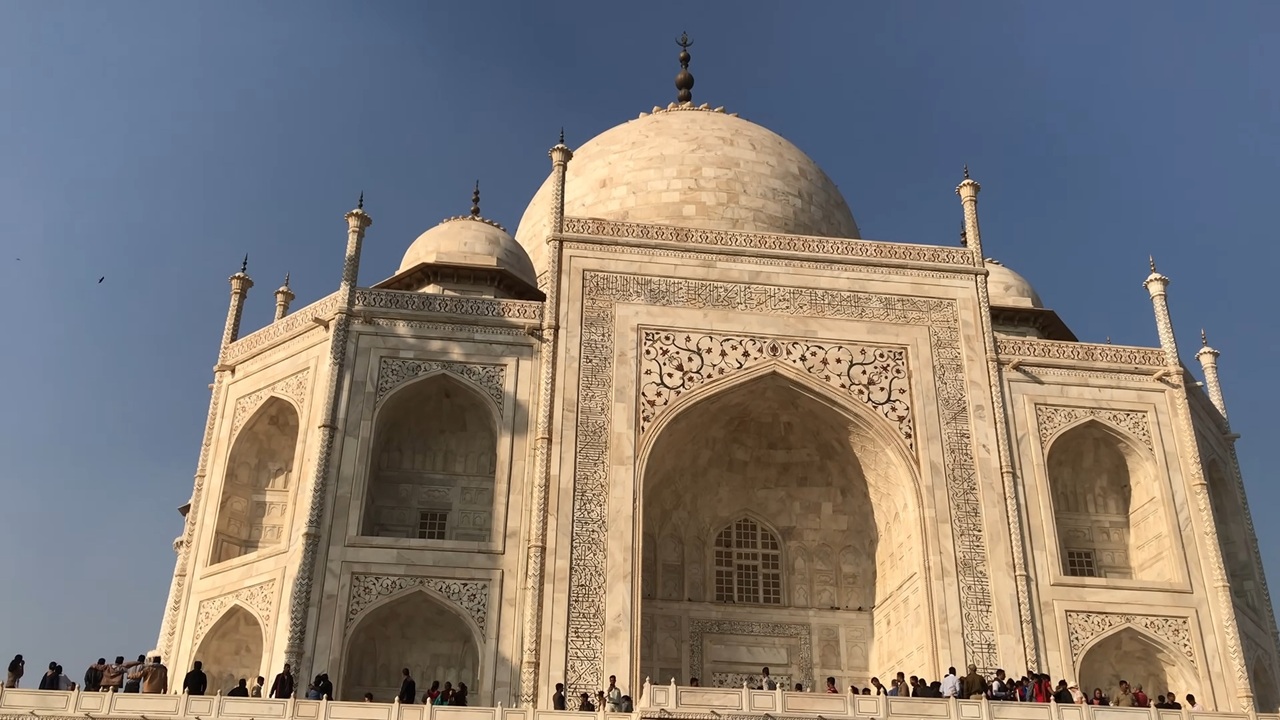
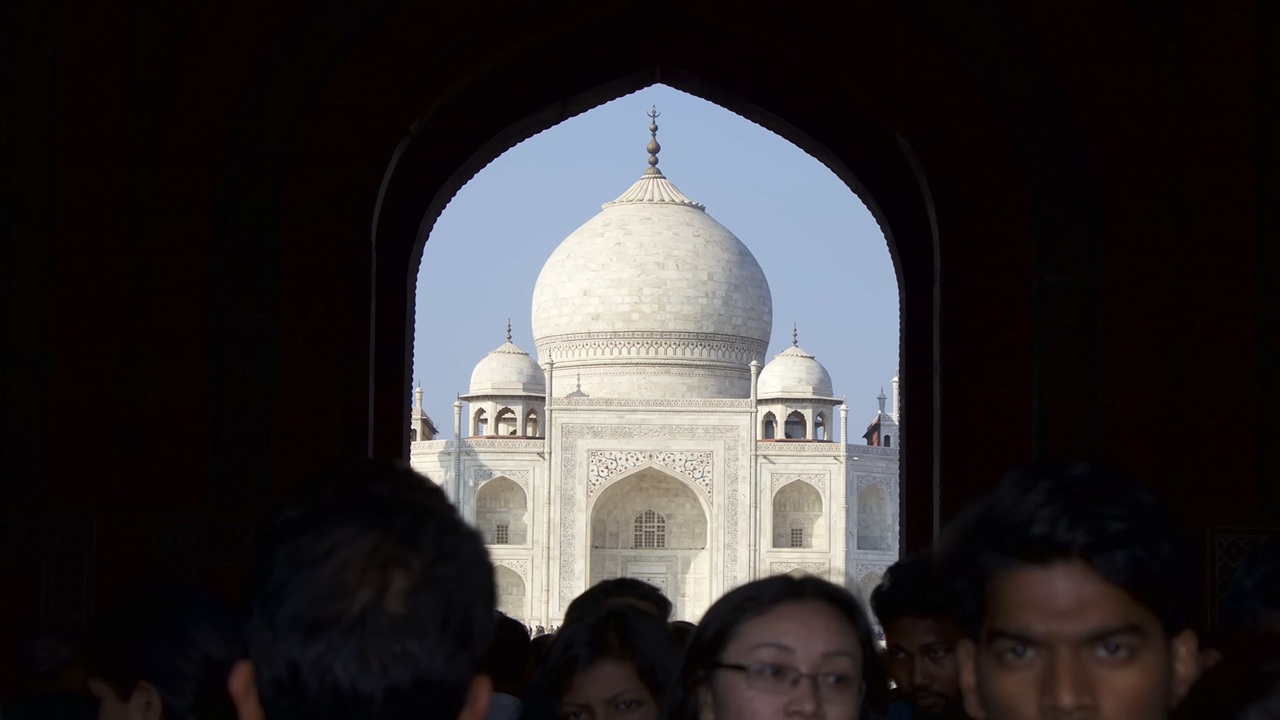
Taj Mahal is a world-famous white marble monument in Agra, built by Emperor Shah Jahan in memory of his wife Mumtaz Mahal. It is a symbol of eternal love and a UNESCO World Heritage Site known for its perfect symmetry and intricate craftsmanship.
Travel Styles
Nature & Adventure
Marine
Festival & Events
Special Interest
Facilities
Wifi
Mountain Bike
Satellite Office
Staff Lounge
Golf Cages
Aerobics Room
よくある質問
What is the best time to visit Agra?
The best time to visit Agra is from October to March when the weather is pleasant. During this period, you can comfortably explore the Taj Mahal, Agra Fort, and Fatehpur Sikri.
How many days are enough for an Agra tour?
One to two days are sufficient to cover the major attractions of Agra. If you also want to enjoy local food and shopping, a 2-day trip is ideal.
What is the best time to visit the Taj Mahal?
Early morning, especially at sunrise, is the best time to visit the Taj Mahal as it looks most beautiful and the crowd is relatively less. The Taj Mahal remains closed on Fridays.
What local food should I try in Agra?
While in Agra, you must try Petha, Dalmoth, Bedai-Kachori, and Mughlai cuisine, which are famous specialties of the city.
What is the approximate cost of an Agra tour?
A budget Agra tour can cost around ₹3,000–₹5,000 per person for 1–2 days. The cost may increase depending on hotel category, transportation, and guide services.
ツアーレンタル
Agra, UP (India)
復習
0/5
Not Rated
に基づく
0 復習
優秀な
0
とても良い
0
平均
0
悪い
0
ひどい
0
レビューなし
System Admin

以来 Nov 2024
Tour Start Date
{{ start_date_html }}
Tour End Date
{{ end_date_html }}
Last Booking Date
{{ last_booking_date_html }}
{{start_date_html}}
{{type.desc}}
{{type.display_price}} 一人当たり
追加料金:
({{type.price_type}})
{{type.price_html}}
ディスカウント
{{type.from}} - {{type.to}} guests
から {{type.from}} guests
- {{ formatMoney(type.total) }}
({{type.price_type}})
{{ type.price }}%
{{ formatMoney(type.price) }}
- {{total_price_html}}
- {{pay_now_price_html}}